
Network Infrastructure for Mining
Mining sites require industrial switches and outdoor equipment selected to withstand heat, dust, vibration, and exposure to the elements. Oil and gas facilities face similar conditions, with certified explosion-protected equipment required where the hazardous-area classification demands it.
Suitable equipment, electrical protection, and proper installation help protect people and assets, maintain reliable connectivity, and reduce equipment failures and operational downtime.
At 3hs, we design infrastructure around your site’s conditions, combining appropriate equipment, power protection, and quality implementation to support safe, reliable operations.
Environments Challenges
Mines are typically located in harsh, constantly changing environments
Mining sites operate in harsh, constantly changing environments. Expanding extraction areas, relocating equipment, and connecting distant facilities require infrastructure that can adapt as operations develop.
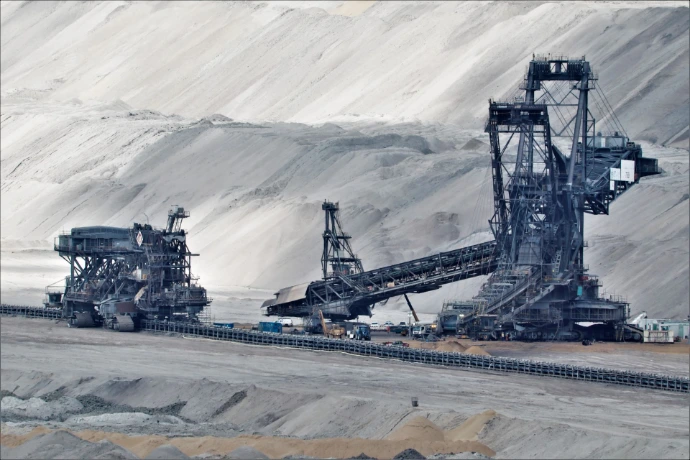
Reliable connectivity supports visibility across the site—from monitoring equipment and production to coordinating field teams and maintaining access to surveillance systems.
Where wired infrastructure is unavailable or impractical, wireless links can connect operational areas, site offices, cameras, and monitoring systems. Remote locations may also require solar-powered network installations.
Practical Use Cases
Mining operations depend on reliable connectivity across the site and secure access from headquarters. Key applications include:
Site connectivity: Connect extraction areas, processing facilities, workshops, offices, and other operational locations.
Headquarters connectivity: Securely link mining sites to headquarters, enabling authorized teams to view CCTV, manage access control, monitor connected equipment, and support operations remotely.
Equipment monitoring: Support access to equipment status, alarms, and operational data from connected systems.
Security and surveillance: Connect cameras, access-control systems, and monitoring stations across the site.
Connected workforce: Provide Wi-Fi and communications services for field teams, supervisors, and support personnel.
Remote technical support: Enable secure access for troubleshooting, maintenance, and network management.
| Use case | Requirements | Recommended approach |
| Site connectivity | Reliable communication between operational areas and facilities | Industrial Ethernet and fiber where practical, supported by outdoor point-to-point or point-to-multipoint wireless links |
| Equipment monitoring | Stable connectivity for operational data and alarms | Industrial switches and wired or wireless connections matched to the equipment and application |
| Security and surveillance | Sufficient throughput, reliable power, and coverage at monitoring locations | Dedicated camera network segments, suitable PoE switches, and outdoor wireless links where needed |
| Connected workforce | Wi-Fi coverage and dependable access to communication tools | Industrial or outdoor access points positioned according to a site survey |
| Remote technical support | Secure access to network devices and connected systems | VPN connectivity, controlled access, and centralized monitoring |
| Remote installations | Connectivity and power at locations without utility services | Solar-powered installations with suitable batteries, protected outdoor cabinets, and monitored power systems |
Headquarters connectivity | Secure remote access to CCTV, access control, equipment monitoring, and site systems | Site-to-site VPN, segmented networks, controlled user access, and backup connectivity where required |